Discover pgcopydb, a high-performance open-source tool by Dimitri Fontaine that revolutionizes PostgreSQL database migration by overcoming the limits of pg_dump.
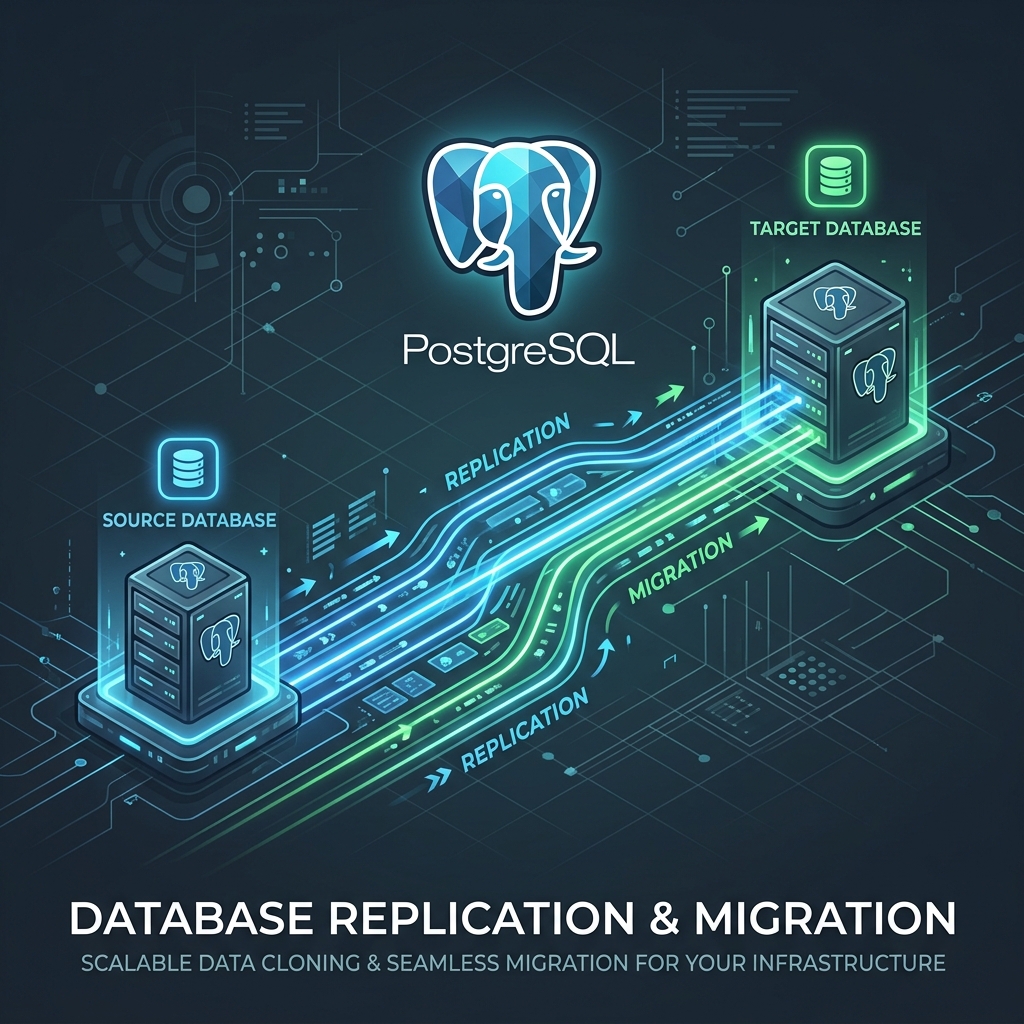
Quality, performance, simplicity, here and now
Discover pgcopydb, a high-performance open-source tool by Dimitri Fontaine that revolutionizes PostgreSQL database migration by overcoming the limits of pg_dump.
Security auditing tools occupy a unique position in an organization’s security posture. Because they require elevated privileges to read system variables, query databases, and analyze log files, these tools themselves must be highly secure. A vulnerability in an auditing utility can easily turn a security asset into a security liability. Recognizing this, the development team …
Maintaining a single-file, zero-dependency legacy script is one of the hardest challenges in software engineering. Over time, codebases written in languages like Perl can become difficult to test, prone to regressions, and challenging for new contributors to navigate. However, the recent development cycle of MySQLTuner-perl (v2.8.41 to v2.8.44) in mid-2026 demonstrates that legacy tools can …
MySQLTuner is one of the most widely trusted open-source command-line utilities for auditing and optimizing database servers. Written in Perl, its simplicity, zero external dependency design (by default), and direct, actionable advice have made it a staple in the toolkit of Database Administrators (DBAs), DevOps engineers, and system administrators worldwide. In the last three months, …

The MySQL command-line client on Linux is a powerful tool for interacting with your databases directly from the terminal. Whether you are a database administrator or a developer, mastering this tool can significantly improve your management and development workflows. 🚀 🛠️ Installing the MySQL Client on Linux: A Quick Guide Before getting started, here are …

Introduction In PostgreSQL, it is essential to understand how disk space is allocated to tables. This knowledge is crucial for efficient resource management, capacity planning, and preventing performance degradation. Indeed, unlike some database systems that store large tables in a single file, PostgreSQL uses a segmentation strategy. Understanding Tablespaces Before exploring the functions used to …

Detailed Analysis of the Write Process in MySQL 8.0+ with InnoDB This document provides an in-depth analysis of the write process (INSERT, UPDATE, DELETE) for the InnoDB storage engine in MySQL 8.0 and later versions. It describes the key components, data flow, relevant configuration parameters, and associated risks. Table of Contents 💾 General Write Process …